Objects of Affection: The Props That Did the Acting on AMC
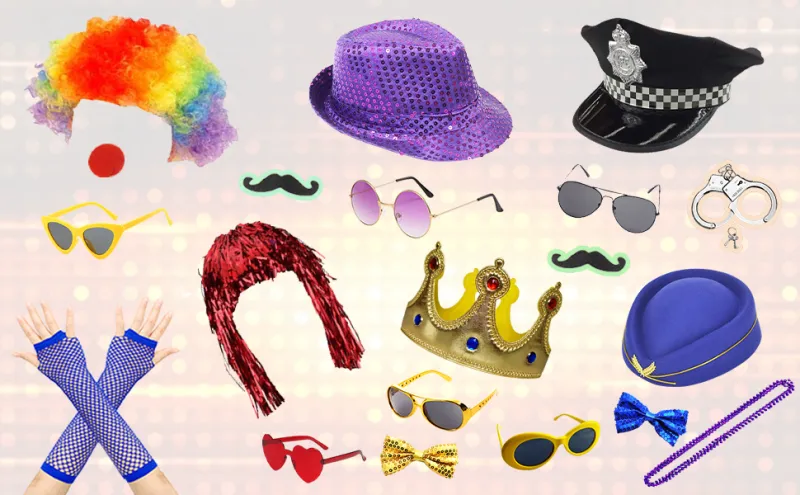
Photo: vintage props costume hat sunglasses dramatic table, via m.media-amazon.com
Every television show has props. Very few have props that could headline their own Emmy campaign.
AMC, across its golden run, kept producing objects that did more narrative work than most supporting actors. A hat. A bucket of chicken. A set of neckties loud enough to constitute a public disturbance. These weren't accidents of production design — they were a deliberate storytelling language, one that modern TV would do well to study.
The Hat That Became a Man
Start with the obvious one. Heisenberg's pork pie hat appears in Breaking Bad at precise, calculated moments, and by season three it functions as a costume, a mask, and a threat all at once. When Walt puts on the hat, someone is about to have a very bad day. The show understood that audiences process symbols faster than dialogue — so it let the headwear do the talking.
The genius is in the restraint. The hat isn't explained. It's never discussed in a meaningful way. It just means, and the show trusts that you'll feel the temperature drop every time it comes out of the closet.
Fried Chicken as a Fortress
Los Pollos Hermanos is a masterclass in prop-based worldbuilding. Gus Fring, the most dangerous man in the Southwest, built his entire cover story out of a fast-food franchise — and the show used every greasy detail of it. The spotless counters, the branded cups, the cheerful little cartoon chicken on the wall: all of it communicates a man who weaponizes blandness.
The props tell you Gus is dangerous before he says a threatening word. A drug kingpin who owns a family restaurant chain is scarier than one who doesn't, and the set dressing makes you feel why.
Saul's Ties: Character Development You Can Dry-Clean
Better Call Saul took the prop language even further. Jimmy McGill's wardrobe is a visual biography. The loud, cheap, gloriously obnoxious ties of his Saul Goodman era are armor — a costume for a man who's decided being disliked on purpose beats being ignored.
Watch the ties across six seasons and you're watching the character arc in miniature. When the wardrobe gets louder, the man underneath is getting quieter. That's screenwriting executed in polyester.
Killing Eve's Wigs and the Art of Disguise
Over on Killing Eve, Villanelle's wigs performed the same trick with a different accent. Each one was a personality she tried on — and the show used them to explore identity, performance, and the terrifying fluidity of a woman who doesn't know who she is without one. A wig rack has never carried that much psychological weight.
What Modern Shows Could Learn
Here's the lesson, and it's a simple one: objects outlast exposition. A prop that recurs, evolves, and accrues meaning does the heavy lifting of character work without a single line of dialogue. Too many current dramas explain their characters in voiceover when a single well-chosen object would do the job better.
AMC's best shows understood that audiences are pattern-seekers. Give them a hat, a chicken bucket, or a terrible tie, and they'll build the character themselves — and they'll remember that character long after the credits roll.
The best props on television never say a word. They don't have to.